


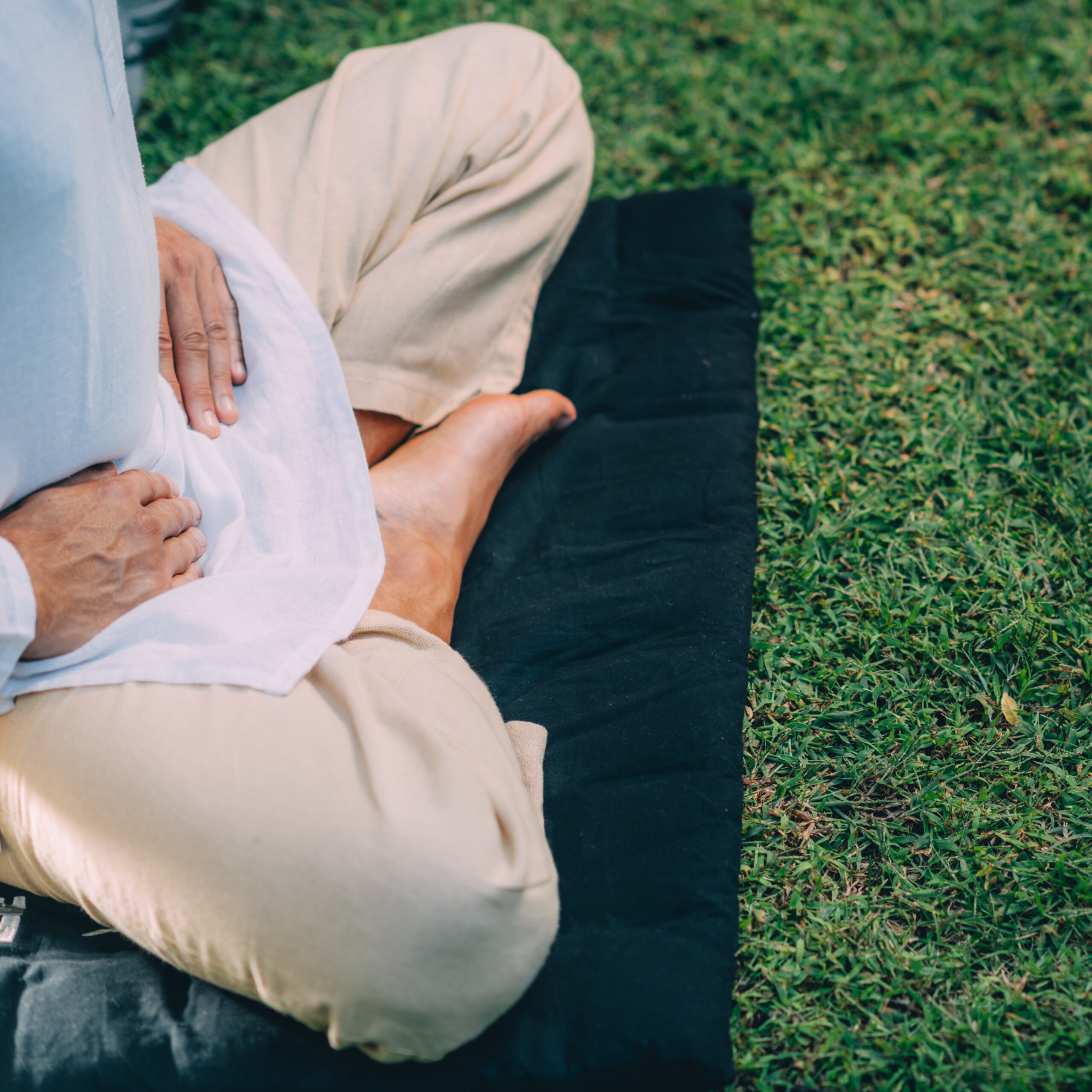

Living with the impact of past trauma can quietly affect the body, thoughts, and emotional responses long after the event has passed. Many people describe a constant sense of alertness, emotional heaviness, or difficulty feeling safe even in calm environments. Reiki therapy offers a gentle, supportive path for those seeking emotional balance and inner steadiness without forcing painful memories to resurface.
This approach focuses on restoring calm at a nervous system level. Rather than revisiting trauma through conversation, Reiki works through subtle energy, helping the body feel supported enough to relax and release stored tension over time.
Understanding Reiki as a Trauma Support Practice
Reiki is a Japanese energy healing practice that works with the body’s natural life force energy. During a session, the practitioner places their hands lightly on or above the body, allowing energy to flow where it is most needed. For individuals with trauma history, this non invasive approach can feel less overwhelming than talk based methods.
Trauma often lives in the body. Muscles tighten, breathing becomes shallow, and the nervous system stays in a state of readiness. Reiki sessions encourage the body to shift out of survival mode and move toward a calmer state. This sense of safety is essential for healing to begin.
How Reiki Sessions Promote Safety and Calm
A core challenge for trauma survivors is the feeling that calm is temporary or unsafe. Reiki sessions are structured to feel predictable, quiet, and respectful of personal boundaries. There is no pressure to speak or explain experiences.
Here is how Reiki supports a sense of safety and calm:
- Encourages deep relaxation by calming the nervous system
• Supports emotional regulation without re triggering memories
• Helps release stored stress held in muscles and breath
• Creates a peaceful space where the body feels supported
• Promotes better sleep and reduced emotional overwhelm
Many people notice subtle shifts after sessions such as slower breathing, lighter emotions, and a renewed sense of inner steadiness.
Emotional Benefits for Trauma Recovery
Reiki does not aim to erase memories. Instead, it helps change how the body responds to them. Over time, sessions may reduce emotional intensity linked to past experiences.
Common emotional benefits include:
- Reduced anxiety and inner restlessness
• Greater emotional clarity and grounding
• Improved ability to stay present
• A growing sense of self trust
• Gentle emotional release without force
These changes often unfold gradually, making Reiki a supportive long-term practice for emotional care.
Physical Relaxation and Nervous System Support
Trauma can create chronic physical tension, headaches, digestive discomfort, and fatigue. Reiki encourages the parasympathetic nervous system to activate, allowing the body to rest and repair.
Clients often report:
- Looser muscles and deeper breathing
• Reduced body aches linked to stress
• Improved energy balance
• Better sleep patterns
• A calmer physical response to daily stressors
This physical relaxation plays a vital role in emotional recovery.
Reiki Therapy Training and Personal Growth
For those interested in learning Reiki for personal healing or to support others, reiki therapy training provides a structured path to understanding energy work, self-healing practices, and ethical session methods. Training emphasizes respect, grounding, and emotional awareness, which are especially important when working with trauma sensitive individuals.
Some people choose to learn Reiki as part of their own healing journey, gaining tools to manage stress, practice self-care, and support emotional balance in daily life.
Reiki Classes in Delhi and Accessible Learning
Many individuals begin their healing journey through reiki classes in Delhi that focus on both personal growth and professional practice. Learning in a guided environment allows students to experience Reiki firsthand, understand energy flow, and develop confidence in self-practice.
These classes often include grounding exercises, self-healing techniques, and guidance on maintaining emotional boundaries, making them suitable even for beginners.
A Gentle Path Toward Emotional Balance
Reiki Healing offers a compassionate approach for those healing from past trauma. It respects personal boundaries, supports the nervous system, and allows emotional release at a pace that feels safe. Over time, sessions can help rebuild trust within the body and create space for calm to return naturally.
If you feel drawn to learn or experience Reiki, explore classes and session options through Cosmicx Healing Art.
Contact us to learn more about upcoming classes, session details, and training opportunities. Take a step toward calm, balance, and gentle healing today.
FAQs About Reiki Healing
Question 1: Is it possible to heal someone from a distance without touching them?
A.Yes. Distance Reiki works on the principle that energy is not limited by physical space. Practitioners channel healing energy with focused intention, allowing the recipient to receive support wherever they are. Many people report similar calming effects as in person sessions.
Question 2: How many distance Reiki sessions can you do per day and is it safe to do many sessions in one day?
A.Distance Reiki is generally safe when practiced responsibly. Practitioners often limit the number of sessions per day to maintain personal energy balance. Listening to the body and staying grounded is essential.
Question 3: What are the benefits of Reiki healing, and how can it improve my well being?
A.Reiki supports relaxation, emotional balance, stress relief, improved sleep, and mental clarity. Over time, it helps individuals respond more calmly to challenges and feel more connected to their inner stability.
Question 4: Why do some Reiki practitioners not use Reiki symbols?
A.Some practitioners prefer intuitive energy flow or follow training lineages that focus on intention based healing. Both approaches can be effective, depending on the practitioner’s experience and method.