


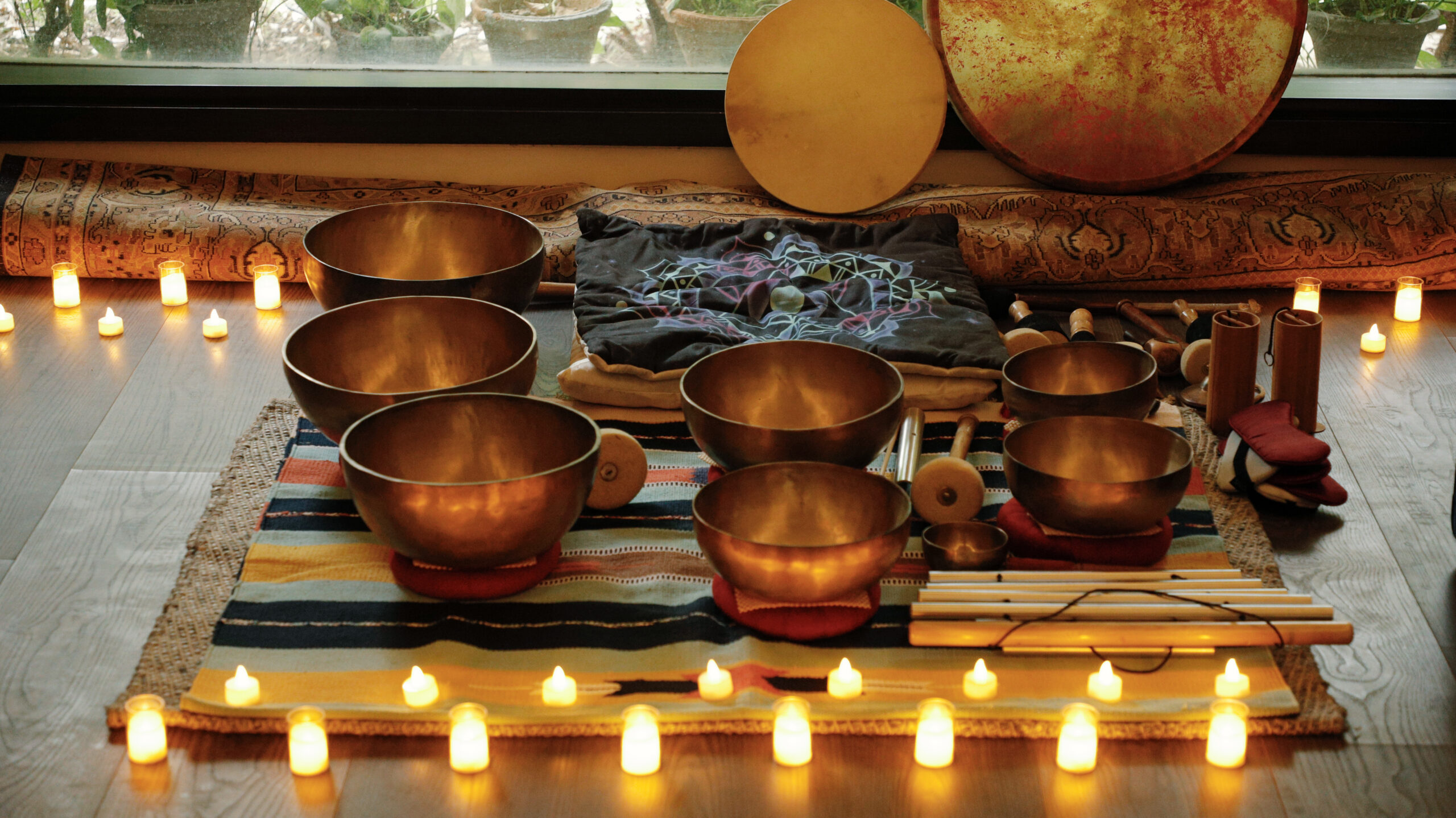

Sound has a powerful way of influencing how we feel, think, and respond to the world around us. From calming music to rhythmic vibrations, the body naturally reacts to sound. That is where sound healing therapy comes in. It uses specific frequencies and instruments to help the mind and body relax, reset, and reconnect.
A common question people ask is simple but important: how often should you actually do it to see real results? The answer depends on your goals, lifestyle, and what you are trying to work through.
Let’s walk through it in a way that helps you decide what works for you.
Understanding How Sound Healing Works
Sound healing therapy works through vibration. Instruments like singing bowls, gongs, tuning forks, and chimes create frequencies that interact with your body’s energy system.
These vibrations can:
- Calm the nervous system
- Shift brainwave patterns into a relaxed state
- Support emotional release
- Improve mental clarity
This is why many people turn to sound healing for anxiety or stress relief. The body responds naturally, without force or effort.
So, How Often Should You Do Sound Healing?
There is no one-size answer, but here is a practical way to look at it.
1. For Beginners: Start with Once a Week
If you are new, one session per week is a good starting point. It allows your body to slowly get used to the frequencies and helps you observe how you feel after each session.
Weekly sound healing sessions can:
- Build consistency
- Help you notice emotional patterns
- Create a routine of relaxation
Think of it like training your mind to slow down.
2. For Stress and Anxiety: 2 to 3 Times a Week
If you are dealing with ongoing stress or using sound healing for anxiety, you may benefit from more frequent sessions.
Doing it 2 to 3 times a week can:
- Help regulate mood faster
- Reduce mental overload
- Support deeper relaxation
Many people notice that repeated exposure helps them reach a calm state more quickly over time.
3. For Deep Emotional or Energy Work: Guided Programs
If your goal is deeper healing, such as releasing emotional blocks or working on personal growth, structured sessions with a practitioner can help.
Studios offering Sound healing Delhi programs often design sessions that build on each other. These may run weekly or bi-weekly and focus on gradual transformation.
This approach works well if you want:
- Guided support
- Consistent progress
- A deeper understanding of your inner pattern
4. For Maintenance: Once or Twice a Month
Once you start feeling balanced, you do not need frequent sessions. At this stage, sound healing becomes more about maintenance.
Monthly or bi-monthly sessions can:
- Keep stress levels in check
- Maintain emotional balance
- Offer a reset during busy periods
It is similar to how people approach yoga or meditation once they feel stable.
Signs You Might Need More Frequent Sessions
Instead of sticking to a fixed schedule, it helps to listen to your body. Here are a few signs you may benefit from more regular sessions:
- You feel constantly overwhelmed or restless
- Sleep patterns are irregular
- You struggle to switch off mentally
- Emotional reactions feel intense or unpredictable
In these situations, increasing the frequency of sound healing sessions can help restore balance more quickly.
Signs You Can Space Them Out
On the other hand, you might not need frequent sessions if:
- You feel calm most days
- Your sleep and focus have improved
- You can manage stress effectively
- You feel grounded after sessions for longer periods
This is when sound healing shifts from therapy to a supportive wellness practice.
What Influences Your Results?
Here is the thing. Frequency matters, but so does how you approach each session.
1. Consistency Over Intensity
Going regularly once a week is more effective than doing multiple sessions randomly and then stopping.
2. Your Mental State During Sessions
Being open and relaxed allows the sound to work more deeply. If you are distracted, the experience may feel limited.
3. The Type of Session
Group sessions, one-on-one therapy, and guided programs all offer different experiences. Choose what aligns with your needs.
4. Lifestyle Factors
Sleep, diet, and daily stress levels influence how your body responds to sound healing benefits.
The Real Benefits of Regular Sound Healing
People often start this practice out of curiosity but continue because of the results.
Regular sound healing therapy can support:
- Better sleep quality
- Reduced anxiety and mental fatigue
- Improved emotional clarity
- A stronger sense of calm and presence
Over time, these small shifts add up and create noticeable changes in how you feel day to day.
A Practical Weekly Plan
If you want a simple structure, here is one you can follow:
- Week 1 to 4: One session per week
- Week 5 to 8: Increase to two sessions if needed
- After 2 months: Adjust based on how you feel
This flexible approach helps you avoid overdoing it while still getting the full sound healing benefits.
Why Choosing the Right Space Matters
The environment and guidance play a big role in your experience. Working with trained practitioners helps you get more out of each session.
At Cosmicx Healing Art, sessions are designed to support both beginners and those looking for deeper work. The focus is on creating a calm, safe space where you can fully relax and experience the effects of sound without distraction.
If you are ready to experience the calming effects of sound healing therapy, explore guided sessions at Cosmicx Healing Art.
Visit: https://www.cosmicxhealingart.com/sound-healing-sound-therapy/
Take a step toward better balance, clearer thinking, and a more relaxed state of mind.
Conclusion
Finding the right frequency for sound healing is not about strict rules. It is about understanding your needs and responding to them. Starting with weekly sessions and adjusting over time is a practical way to begin.
If you are exploring Sound healing Delhi, look for a space that offers both consistency and guidance. With the right approach, sound healing can become a reliable tool for maintaining mental and emotional well-being.
Frequently Asked Questions
1. Is sound healing the same as meditation?
Not exactly. Meditation usually involves focus or awareness practices, while sound healing therapy uses external vibrations to guide your mind into a relaxed state. Many people experience similar calmness, but the approach is different.
2. What exactly is sound healing?
It is a practice that uses sound frequencies from instruments like singing bowls and gongs to influence the body and mind. These vibrations help shift your state from stress to relaxation.
3. Who should avoid sound healing?
People with certain medical conditions, such as severe epilepsy, sound sensitivity, or those with implanted medical devices, should consult a professional before attending sessions.
4. What are the disadvantages of sound therapy?
Some people may feel emotional release, temporary discomfort, or fatigue after sessions. This is usually part of the body processing changes, but it is important to go at your own pace.
5. How does sound healing work?
It works through vibration. The frequencies interact with your nervous system and brainwaves, helping your body move into a calmer, more balanced state.